Reboiler Heat Exchanger About
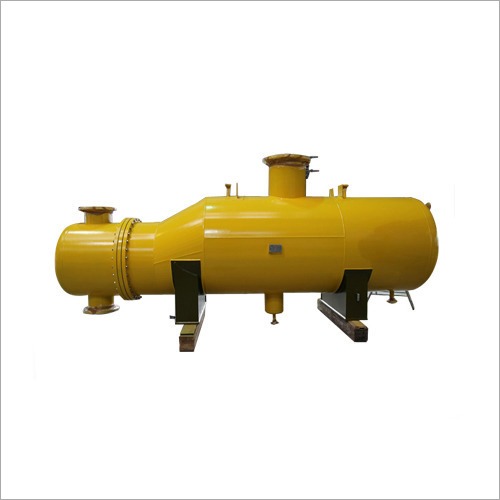
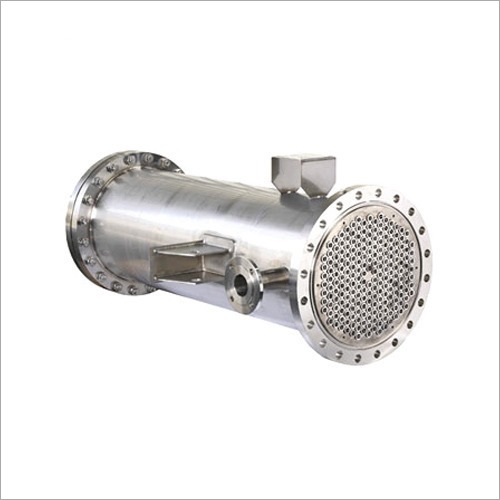
Reboiler Heat Exchanger is typically used for providing heat to the bottom of industrial distillation columns. It boils the liquid from the bottom of a distillation column to generate vapors which are returned to the column to drive the distillation separation. Reboiler Heat Exchanger is minutely tested on diverse parameters prior to the final dispatch from our unit.
Product details
|
Capacity
|
100 - 30000 Ltr
|
|
Material
|
Stainless Steel
|
|
Usage/Application
|
Industrial
|
|
Power Source
|
Electric
|
|
Frequency
|
50 - 60 Hz
|
|
Finishing Type
|
Color Coated
|
Optimized Performance for Industrial RequirementsDesigned with premium SS316L and a heat transfer area of 56 m, this reboiler heat exchanger delivers exceptional efficiency for large-scale chemical and petrochemical operations. The 2,000 mm tubes and robust, horizontal shell structure ensure reliable operation under demanding process conditions.
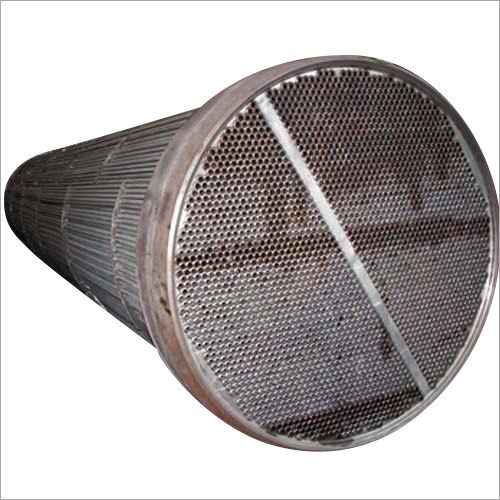
Built to Last with Modern EngineeringManufactured to ASME standards, this heat exchanger incorporates a fixed tube sheet and mineral wool insulation to minimize energy loss and ensure safety. Its polished finish enhances hygiene and lifetime, making it suitable for rigorous industrial environments.
Versatile and Reliable for Diverse ApplicationsWith a maximum capacity of 24,000 L/hr, a wide temperature range, and high corrosion resistance, this reboiler is perfectly suited for heating and boiling tasks in both chemical and petrochemical plants. Hydrostatic testing at 16 bar further guarantees operational safety and reliability.
FAQs of Reboiler Heat Exchanger:
Q: How does the fixed tube sheet design benefit the reboiler heat exchanger?
A: The fixed tube sheet design enhances structural stability and simplifies maintenance. It ensures tight seals between the shell and tubes, reducing the risk of leaks when operating at high pressure and varying temperatures, making it ideal for continuous chemical processing.
Q: What makes Stainless Steel 316L suitable for this reboiler heat exchanger?
A: Stainless Steel 316L offers high corrosion resistance, particularly against aggressive chemicals and extreme temperatures. This property extends the equipments operational life and maintains product purity, which is essential for chemical and petrochemical industries.
Q: When should the hydrostatic test at 16 bar be conducted?
A: The hydrostatic test should be performed during commissioning and after major maintenance to ensure the reboilers integrity. It verifies the pressure-holding capability of the unit and identifies any leaks or weak points before actual process usage.
Q: Where is this reboiler heat exchanger typically installed?
A: This heat exchanger is commonly installed in chemical and petrochemical plants, primarily in sections where boiling of process fluids is required. Its compact size and horizontal mounting arrangement facilitate easy integration into existing process flows.
Q: What is the usage process for this shell and tube reboiler?
A: Feed liquid enters the shell side where tubes, heated by an external energy source, transfer heat to the liquid. This process efficiently converts the feed into vapor, which is critical for distillation or stripping operations in industrial plants.
Q: What are the main benefits of mineral wool insulation on this equipment?
A: Mineral wool insulation significantly reduces heat loss, enhances energy efficiency, and prevents external surface heating. This makes the equipment safer to operate and reduces overall operational costs by conserving energy.
Q: How does the units high corrosion resistance benefit end-users?
A: High corrosion resistance reduces the frequency of maintenance and replacement, ensuring long-term reliability and lower total cost of ownership for users handling chemically aggressive or high-temperature fluids.


 Send Inquiry



 Send Inquiry

