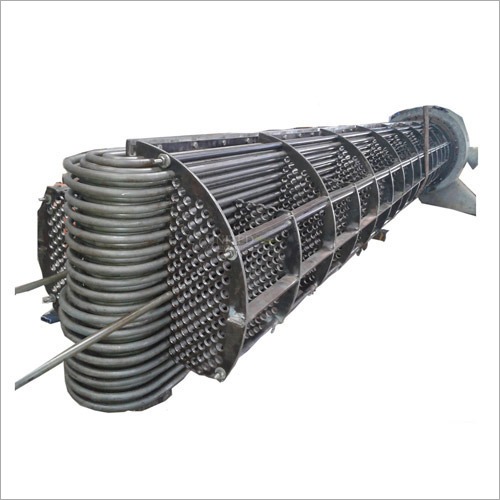
Fin Tube Type Heat Exchanger About
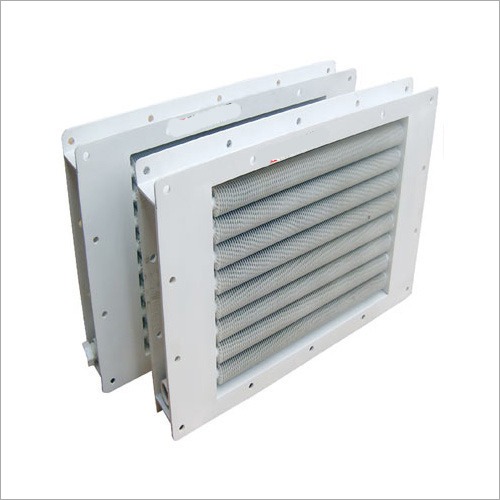
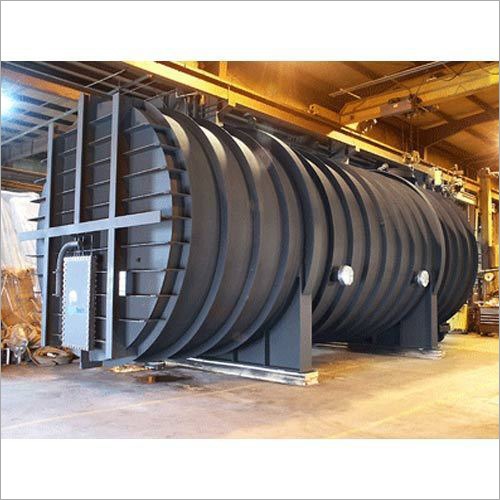
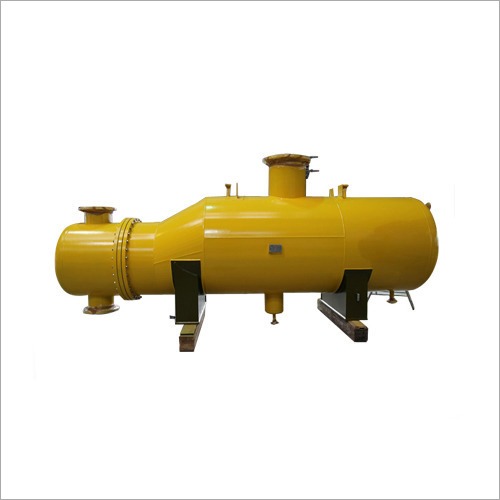
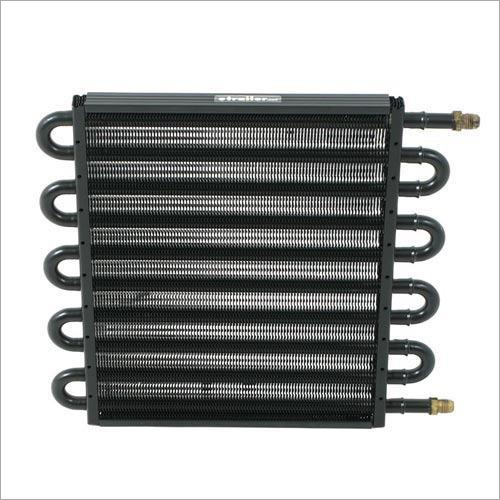
Backed by a team of experts, we have been a profound manufacturer of Fin Tube Type Heat Exchanger in the market. It is often used in power plants as an exhaust gas heat exchanger to increase the efficiency factor. In several industrial production processes, such as for the air conditioning of buildings, Fin Tube Type Heat Exchanger is used as an air cooler for cooling down or re-cooling of liquids.
Product details
| Frequency | 50 - 60 Hz |
| Usage/Application | Industrial |
| Material | Stainless Steel |
| Inlet Temperature | 20 degree C |
| Outlet Temperature | 150 degree C |
| Voltage | 220 - 280 V |
| Material Grade | SS 304 |
Our fin tube heat exchangers can be precisely configured to meet specific project needs. Choose from a variety of tube diameters (1638 mm), wall thicknesses (1.22.5 mm), pitches, and fin types to optimize heat transfer for any application. Whether you require horizontal or vertical mounting, or a tailored surface treatment, these exchangers are suitable for HVAC, power plants, oil & gas, and more.
Quality Construction for Durability and EfficiencyWe use high-grade materials such as copper, stainless steel, aluminum, and alloys, ensuring both durability and thermal efficiency. All units undergo comprehensive hydraulic and pneumatic testing. With protective surface treatments like painting or galvanization, our exchangers are built to resist corrosion and withstand diverse environmental conditions.
Reliable Performance Across Operating ConditionsOur heat exchangers provide dependable results under demanding conditions, with max capacities up to 500 kW and air volumes up to 8000 m/h. Designed for pressures up to 20 bar and operating temperatures ranging from -20C to 250C, these units deliver consistent heat transfer performance across multiple industrial processes.
FAQs of Fin Tube Type Heat Exchanger:
Q: How does a fin tube type heat exchanger enhance heat transfer efficiency?
A: Fin tube heat exchangers increase heat exchange by utilizing extended surface area provided by fins, which improve heat dissipating capacity. The fins, available in plain, corrugated, or serrated forms, amplify the contact between air or fluid and the tubes, resulting in superior thermal transfer and higher efficiency compared to bare tube designs.
Q: What materials are available for the tubes and fins, and how do I select the right ones?
A: Tube materials include copper, carbon steel, stainless steel, and alloys, while fins can be made of aluminum, copper, or stainless steel. Selection depends on application requirements such as thermal conductivity, corrosion resistance, operating temperature, and compatibility with process fluids. Our experts can help recommend the optimal combination for your needs.
Q: When should I consider opting for a custom fin tube heat exchanger?
A: Custom units are recommended when standard heat exchangers do not meet specific requirements regarding pressure, temperature, dimensions, mounting orientation, or material compatibility. Customization is also beneficial for unique industrial processes, space constraints, or specific regulatory standards.
Q: Where are these heat exchangers commonly used?
A: Fin tube type heat exchangers are widely utilized in HVAC systems, power plants, oil & gas refineries, air drying units, and various process industries. Their adaptability and customizable design make them suitable for diverse industrial and commercial heat transfer applications.
Q: What testing processes are used to ensure product quality and reliability?
A: Each heat exchanger undergoes rigorous hydraulic and pneumatic pressure testing to verify structural integrity and ensure leak-free performance under actual operating conditions. In addition, surface treatments like painting or galvanization are applied to enhance corrosion resistance.
Q: How do I maintain and ensure the longevity of my fin tube heat exchanger?
A: Regular inspection and cleaning of fin surfaces help maintain optimal heat transfer. Use gentle cleaning methods to avoid fin damage. Monitoring for corrosion and ensuring timely surface re-coating or protection extends the service life, especially in harsh environments.
Q: What is the typical benefit of upgrading to a fin tube heat exchanger for my facility?
A: Upgrading to a fin tube type heat exchanger improves thermal performance and energy efficiency, contributes to lower operational costs, and adapts to various process demands with flexibility in configuration and mounting. The robust construction and custom options ensure a reliable, long-term solution for your heat transfer requirements.


 Send Inquiry



 Send Inquiry

